Flu Symptoms Day by Day: What to Expect
A day-by-day guide to influenza symptom progression. From the first signs through recovery — know what's normal at each stage and when to seek help.
Medically reviewed by
Dr. James Chen, PhD, MPH
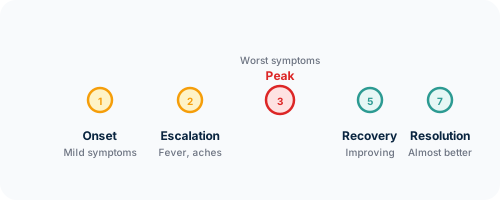
Understanding the typical timeline of flu symptoms helps you know what to expect and recognize when something isn't normal. Here's what a typical case of influenza looks like.[1]
What Is the Typical Flu Recovery Timeline?
Most people recover from the flu within 1-2 weeks, though some symptoms — especially cough and fatigue — can persist for several weeks. The recovery timeline varies by age, overall health, and whether antiviral treatment was started early. Below is the detailed day-by-day progression.[1]
Day 0: Exposure & Incubation
You've been exposed to the influenza virus — but you don't know it yet. The incubation period (time from exposure to first symptoms) is typically 1-4 days, with an average of 2 days. During this period, you may already be contagious — able to spread the virus to others —starting about 1 day before symptoms appear.[1][2]
Day 1: Early Signs
- Sudden fatigue: An unusual, overwhelming tiredness
- Mild body aches: Beginning muscle soreness, especially in the back and legs
- Scratchy throat: The first respiratory sign
- Feeling "off": A general sense that something isn't right
Day 2-3: Peak Intensity Begins
This is when the flu hits full force. Most people describe this as the worst days:
- High fever: 101°F-104°F (38°C-40°C), often with chills and sweating[1]
- Severe body aches: Pain in muscles and joints — movement is uncomfortable[4]
- Intense headache: Often concentrated behind the eyes
- Dry cough: Becomes more frequent and persistent
- Extreme fatigue: Getting out of bed feels like a major effort
- Loss of appetite: Eating is unappealing; hydration is critical[5]
Day 4-5: Plateau
Symptoms typically stabilize at their peak. The fever may begin to break by day 4 or 5. The cough may become more prominent as other symptoms begin to ease:[1]
- Fever starts to decrease or breaks (you may sweat profusely)
- Body aches gradually improve
- Cough may become more productive (looser)
- Fatigue remains significant
- Nasal congestion may worsen briefly
Day 6-7: Improvement Begins
For most otherwise healthy people, symptoms begin to noticeably improve:[2]
- Fever is usually gone
- Body aches have significantly reduced
- Energy slowly returns — but you still tire easily
- Cough may persist or even temporarily worsen as airways clear
Week 2: Recovery
- Lingering cough: Can persist for 2-3 weeks — this is normal[1][4]
- Residual fatigue: You may tire more easily than usual[2]
- Return to normal: Most people can resume normal activities, but listen to your body
Week 3+: Post-Flu Period
Some symptoms can linger beyond 2 weeks, especially:[5]
- Post-viral cough: Can last 3-8 weeks in some cases
- Fatigue: Some people experience fatigue for several weeks
- Exercise intolerance: Ease back into physical activity gradually
⚠️ When the Timeline Is Abnormal
Seek medical attention if:
References
- CDC. "Flu Symptoms & Complications." Centers for Disease Control and Prevention. cdc.gov/flu/symptoms/
- WHO. "Influenza (Seasonal)." World Health Organization. who.int/news-room/fact-sheets/detail/influenza-(seasonal)
- NHS. "Flu." National Health Service. nhs.uk/conditions/flu/
- Mayo Clinic. "Influenza (Flu) — Symptoms & Causes." mayoclinic.org
- Cleveland Clinic. "Influenza (Flu)." my.clevelandclinic.org
Sources
This article references information from the CDC, WHO, NHS, and peer-reviewed medical literature. Content is reviewed regularly for accuracy. Learn about our editorial policy.