Common Flu Symptoms: Complete Guide
A comprehensive guide to the most common influenza symptoms — fever, cough, body aches, fatigue, sore throat, and more. Learn what each symptom means and how to manage it.
Medically reviewed by
Dr. James Chen, PhD, MPH
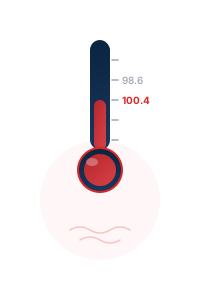
Influenza (the flu) is a contagious respiratory illness caused by influenza viruses. Symptoms typically appear suddenly — often described as feeling like you've been "hit by a truck." Understanding the common symptoms helps you recognize the flu early and take appropriate action.[1][2]
How Long Do Flu Symptoms Typically Last?
For most healthy adults, the worst flu symptoms last 3-5 days, with full recovery taking1-2 weeks. However, cough and fatigue can persist for several weeks after other symptoms resolve. The most intense period — with high fever, severe body aches, and extreme fatigue — typically peaks around day 2-4 of the illness.[1][2]
Hallmark Symptoms of Influenza
🤒 Fever and Chills
Fever is present in most flu cases, typically ranging from 100°F to 104°F (38°C to 40°C). Fever usually lasts 3-4 days. Chills often accompany the fever — your body's way of generating heat to fight the virus.[1][3]
😮💨 Cough
A dry, persistent cough is one of the most common flu symptoms. It can last for2 weeks or more after other symptoms resolve. The cough is caused by inflammation in the airways. If your cough produces colored mucus or worsens after initial improvement, it may indicate a secondary bacterial infection.[1][4]
😣 Body Aches and Muscle Pain
Severe muscle and body aches are a hallmark of influenza. Unlike a cold, where aches are mild, flu-related myalgia can be intense — affecting the back, arms, legs, and even making your skin feel tender. These aches are caused by the immune system's inflammatory response and typically improve within 3-5 days.[1][5]
😴 Extreme Fatigue
Flu fatigue is not ordinary tiredness. It's a profound exhaustion that can make even getting out of bed difficult. Fatigue often begins before other symptoms, peaks during the illness, and can persist for 2-3 weeks after recovery.[2][3]
😩 Headache
Severe headaches are common with the flu, often felt around and behind the eyes. The headache is typically more intense than what you'd experience with a common cold and may worsen with eye movement or bright lights.[1][4]
🗣️ Sore Throat
A sore throat is common in the early stages, though it's usually less prominent than the cough and body aches. It typically improves within a few days as other symptoms intensify.[1]
👃 Nasal Congestion
Runny or stuffy nose is common but tends to be less severe than with a cold. It may appear after the initial onset of fever and body aches.[3]
Less Common Symptoms
- Gastrointestinal symptoms: Nausea, vomiting, and diarrhea are less common in adults but more frequent in children[1][2]
- Eye symptoms: Redness, watering, light sensitivity[4]
- Dizziness: Can occur, especially when dehydrated[3]
Symptom Onset Pattern
Flu symptoms typically appear suddenly (unlike a cold, which develops gradually):[1]
- Hour 0-12: Sudden fatigue, mild body aches, possibly a scratchy throat
- Hour 12-24: Fever develops, body aches intensify, headache begins
- Day 2-4: Peak symptoms — high fever, severe aches, dry cough, extreme fatigue
- Day 5-7: Fever breaks, cough may intensify, fatigue persists
- Week 2+: Gradual improvement, lingering cough and fatigue possible
References
- CDC. "Flu Symptoms & Complications." Centers for Disease Control and Prevention. cdc.gov/flu/symptoms/
- WHO. "Influenza (Seasonal)." World Health Organization. who.int/news-room/fact-sheets/detail/influenza-(seasonal)
- NHS. "Flu." National Health Service. nhs.uk/conditions/flu/
- Mayo Clinic. "Influenza (Flu) — Symptoms & Causes." mayoclinic.org
- Cleveland Clinic. "Influenza (Flu)." my.clevelandclinic.org
Sources
This article references information from the CDC, WHO, NHS, and peer-reviewed medical literature. Content is reviewed regularly for accuracy. Learn about our editorial policy.